-
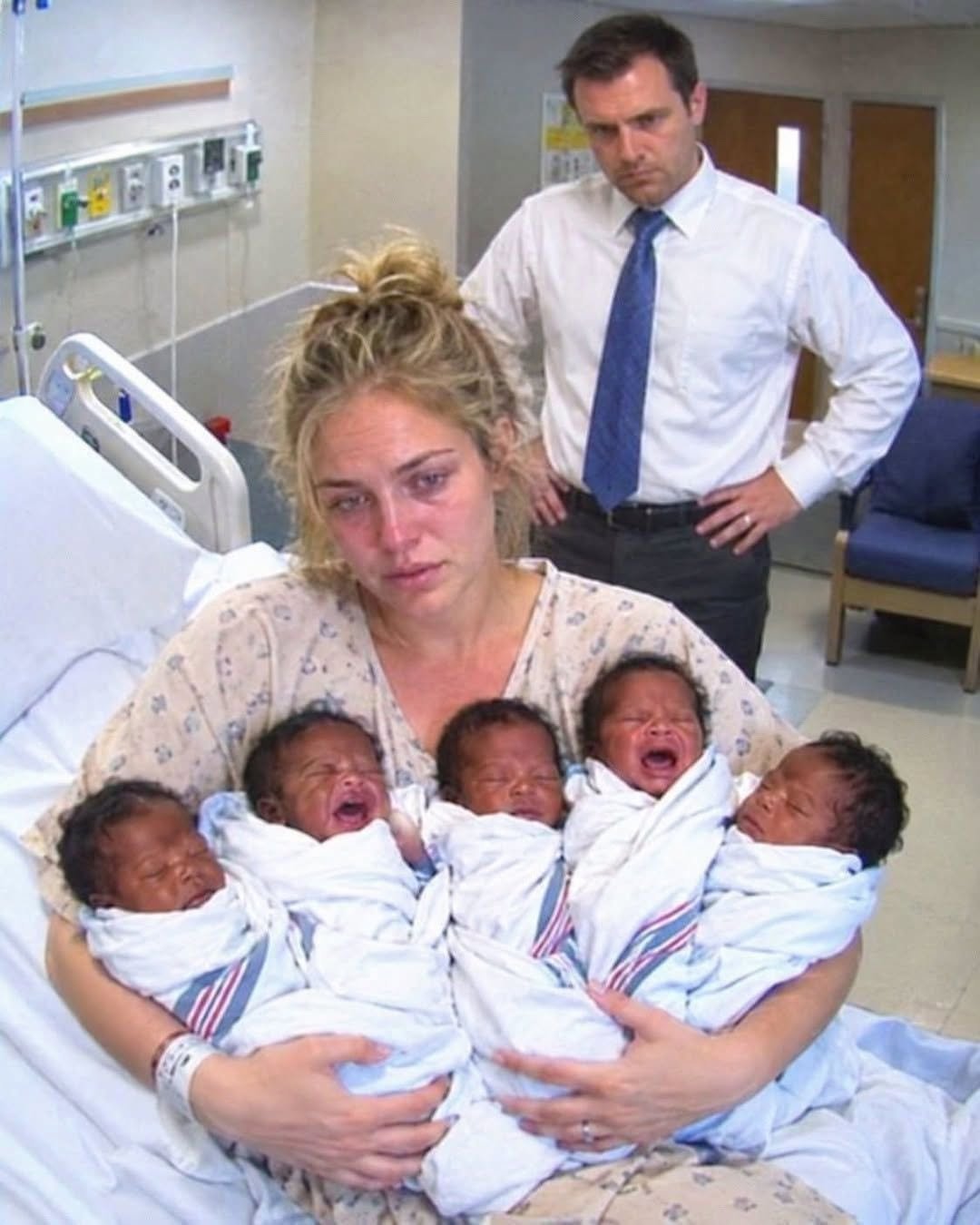
Reported Birth of Ten Babies Draws Global Attention: What We Know About the Medical Challenges of Multiple Pregnancies – Dimo News
Families welcoming several newborns may need to organize feeding schedules, sleeping arrangements, medical appointments, and daily care for each child. If some babies require specialized treatment, the family may also face a longer hospital stay and additional follow-up appointments. Feeding can become a particularly demanding task when several infants need attention at the same time. Some babies may feed directly or from a bottle, while others may need a feeding plan recommended by their healthcare team. Sleep and temperature safety are also important considerations. Parents need clear guidance on safe sleeping arrangements, appropriate clothing, feeding, and recognizing signs of illness. The practical demands can be considerable, making assistance from relatives, friends, community organizations, and healthcare professionals especially valuable. The Role of Family and Community Support Caring for one newborn can be exhausting, particularly during the first weeks after delivery. Caring for several newborns simultaneously can require an even greater level of organization and support. Depending on a family’s circumstances, practical assistance may include help with meals, transportation, household responsibilities, childcare, and access to infant supplies. Healthcare professionals can also provide guidance on feeding, sleep routines, postpartum recovery, and the developmental needs of newborns. For parents facing an unusually demanding situation, emotional support matters as well. Adjusting to a major change in family life can bring happiness and gratitude alongside fatigue, uncertainty, and stress. Having a reliable support network can help parents manage daily responsibilities while ensuring that their own well-being is not overlooked. How Medical Teams Coordinate Care for Multiple Babies The delivery of several newborns requires careful coordination because each infant is an individual patient. Before a high-risk delivery, medical teams may review potential complications, assign responsibilities, prepare neonatal equipment, and plan for different possible outcomes. After birth, each baby is assessed separately. Healthcare professionals determine whether routine observation is sufficient or whether additional intervention is required. See more on the next page
Brown Hair Paste for Gray Hair: Can It Really Cover White Roots in 12 Minutes?
- by CM